

Fast fashion has taken over the global market, making trendy, low-cost clothing more accessible than ever. Brands like SHEIN, Temu, and Amazon have turned the fashion industry into a 24/7 production cycle, where new styles drop every week and consumers are buying in records numbers all for the low, low prices.
It seems a little too good to be true. And that's because it is too good to be true.
In truth, behind the cheap price tags and viral trends lies a dark reality. Fast fashion not only is a threat to our planet, but it is also threatening human health, exploiting workers, and fueling a cycle of waste and pollution. From toxic chemicals in clothing to dangerous working conditions and mountains of textile waste, the fast fashion industry is one of the most unsustainable and unethical industries in the world.
How Fast Fashion is Destroying the Planet
Fast fashion is one of the largest polluters in the world, contributing to climate change, water pollution, and massive textile waste.
A Climate Nightmare
-
The fashion industry is responsible for 10% of global carbon emissions, making this more than international flights and maritime shipping combined. According to the UNEP, there's a projection that these emissions will increase by over 50% by the end of this decade if no action is taken.
-
If fast fashion continues at its current rate, it could account for 26% of the global carbon budget by 2050.
-
Older data shows that SHEIN alone emits 6.3 million tons of CO2 annually–that’s equivalent to 18 coal-fired power planets. Now, current data shows that their total supply-chain and transportation emissions have surged to rough;y 26 million metric tons annually.
Water Pollution and Depletion
-
Producing one cotton t-shirt requires 2,700 liters of water–that’s enough for one person to drink for 2.5 years.
-
Textile dyeing is one of the world’s largest water polluters, dumping 20% of industrial wastewater annually.
-
Microplastics from synthetic fabrics (like polyester) contribute to 35% of ocean microplastic pollution.
The Landfill Crisis
-
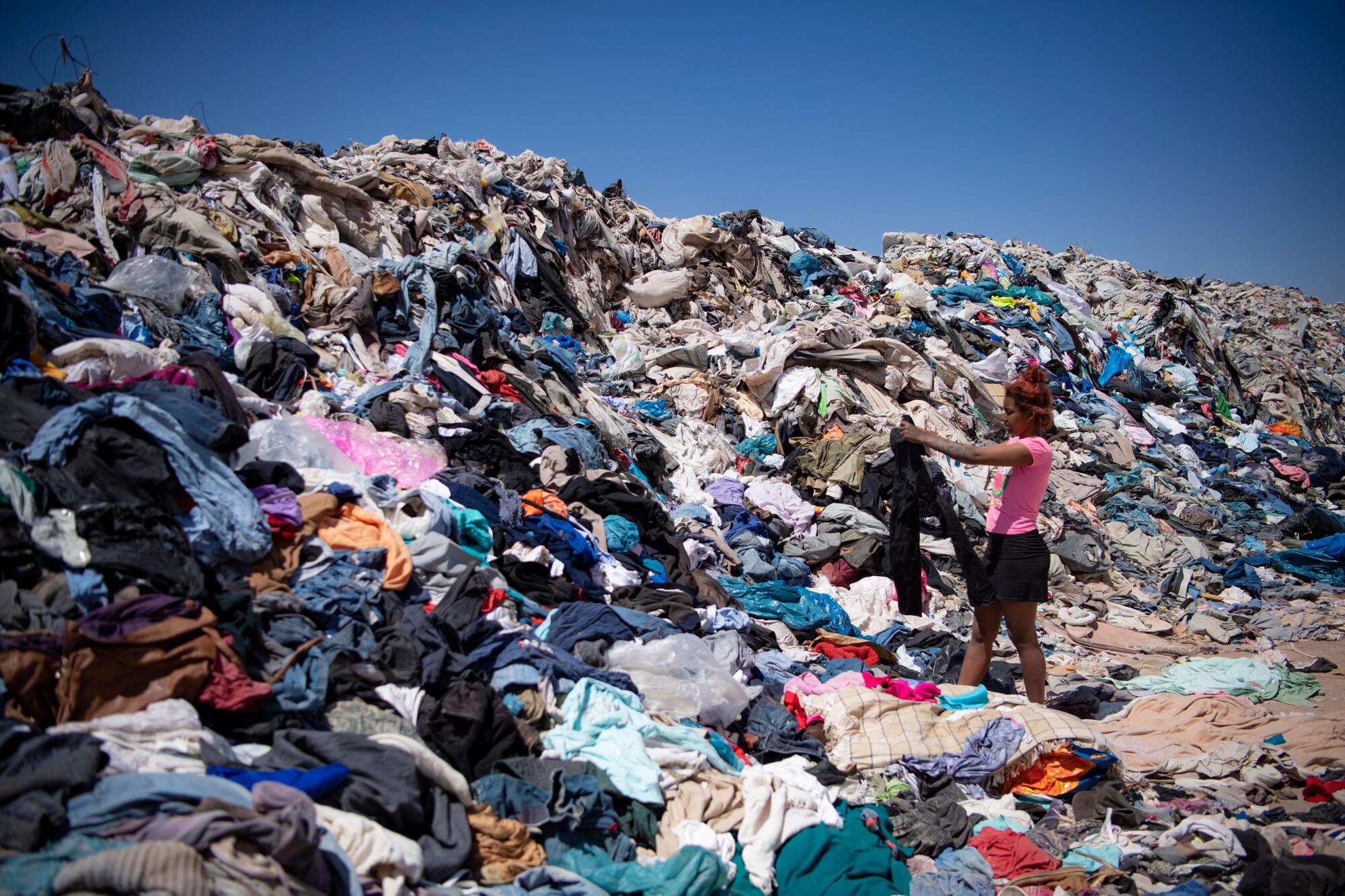
92 million tons of textile waste are generated annually which is equivalent to a garbage truck of clothes dumped every second.
-
Only 1% to 20% of clothing globally is recycled whereas the rest ends up in landfills or incinerated, releasing toxic fumes.
-
Fast fashion brands encourage disposable fashion. The average garment is worn only 7 times before being thrown away.
 (Source: Los Angeles Times)
Microplastics: The Invisible Pollution
-
A load of synthetic clothing (polyester, nylon, acrylic) can release between 700,000 to millions of microplastics.
-
These microplastics enter our food chain, with studies finding them in seafood, drinking water, and even human blood.
The Human Cost of Fast Fashion: Exploitation & Child Labor
We have officially learned just how harmful fast fashion is to the planet. Now, let’s dive into how it exploits workers, many of whom are children and women in developing countries.
Child Labor and Sweatshops
-
170 million children worldwide are engaged in child labor, with many working in textile factories.
-
SHEIN has been linked to factories in China where workers (including children) work 18-hour days for a little as 2-4 cents per garment.
-
Temu and SHEIN have faced lawsuits for selling products made with forced labor, including cotton from Xinjiang, China where Uyghur Muslims are reportedly enslaved.
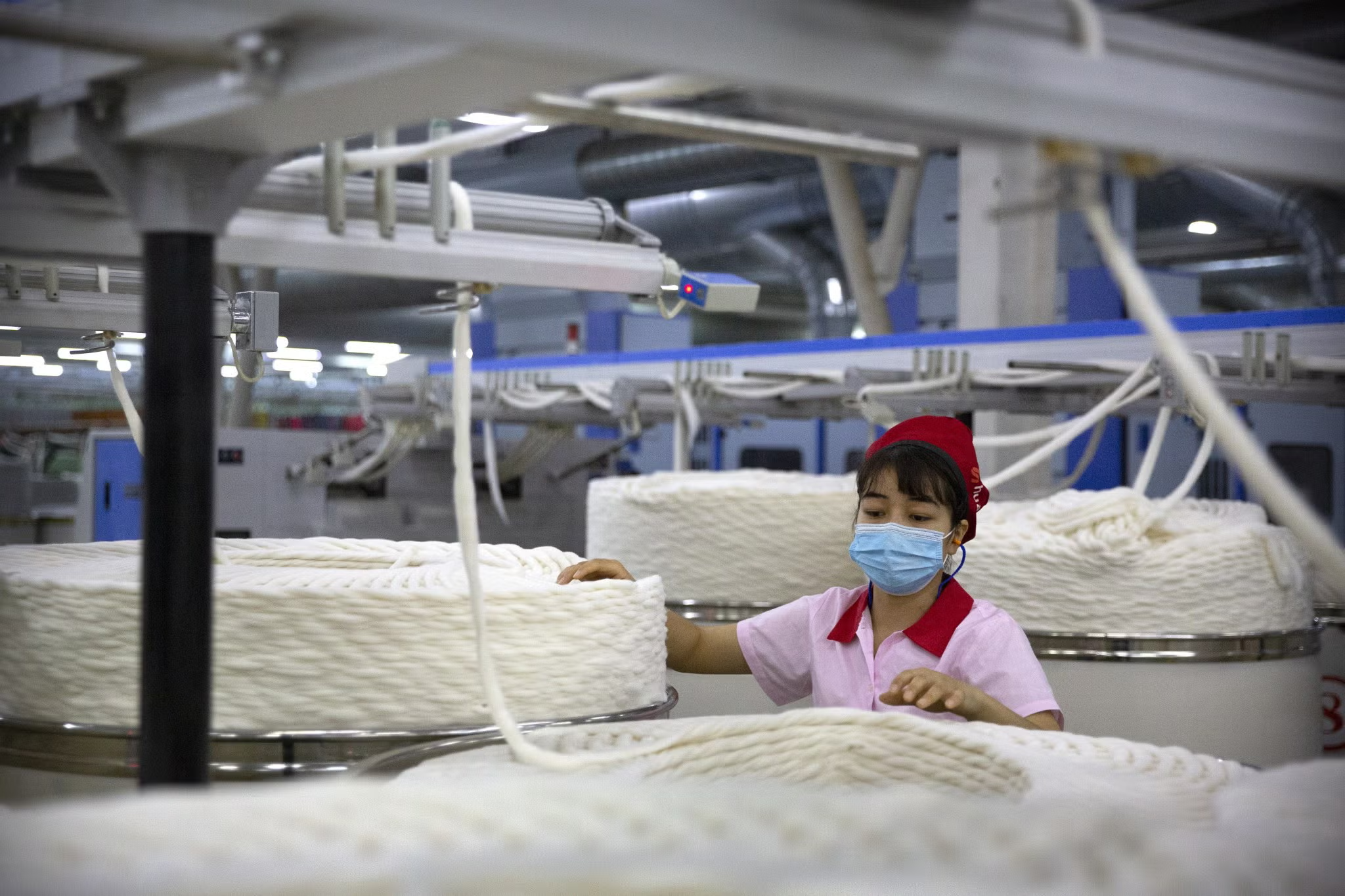 (Source: Chicago Council on Global Affairs)
Wages That Can’t Support Life
-
Garment workers in Bangladesh earn just approximately $112 per month, which is far below the living wage of $214. This amount is approximately one-third of the living wage identified by global labor groups.
-
In India, 90% of garment workers are women, who face wage theft, verbal abuse, and unsafe working conditions.
-
Many factories suppress unions, firing workers who demand fair wages or better conditions.
Modern Slavery in the Supply Chain
-
Forced labor generates over $150 billion annually with fashion being one of the top industries involved.
-
Brands like H&M, Zara, and Nike have been caught using cotton from Xinjiang, where forced labor is state-sponsored.
The Health Risks: Toxic Chemicals in Your Clothes
Fast fashion's negative impacts extend beyond the planet and its workers to include your health. Many cheap clothes contain dangerous chemicals that can cause skin irritation, hormone disruption, and even cancer.
Toxic Chemicals Found in Fast Fashion
|
Chemical |
Where It’s Found |
Health Risks |
Source |
|
Formaldehyde |
Wrinkle-resistant fabrics, dyes |
Skin irritation, respiratory issues, cancer |
|
|
Phthalates |
Synthetic fabrics (polyester, acrylic) |
Hormone disruption, fertility issues, developmental problems in children |
|
|
Lead |
Dyes, prints, and accessories |
Neurological damage, especially in kids |
|
|
Azo Dyes |
Colored fabrics (especially red, black, blue) |
Cancer-causing, skin allergies |
|
|
Perfluorinated Chemicals (PFCs) |
Water-resistant fabrics (e.g., raincoats) |
Kidney damage, immune system suppression |
Skin Irritation and Allergies
-
40% of people with sensitive skin report reactions to synthetic fabrics.
-
Nickel (found in zippers, buttons, and metal embellishments) causes contact dermatitis in 10–20% of the population.
Long-Term Health Effects
-
Endocrine-disrupting chemicals (like phthalates) are linked to infertility, obesity, and diabetes.
-
Prolonged exposure to formaldehyde can increase the risk of leukemia.
What You Can Do to Fight Fast Fashion
There are a handful of ways that you can make a difference.
Shop Ethically and Sustainably
-
Support slow fashion brands that prioritize fair labor, organic materials, and transparency (e.g., Patagonia, Eileen Fisher, Earthly Threads).
-
Buy secondhand from thrift stores, Depop, or Poshmark.
-
Choose natural fibers (organic cotton, linen, hemp, bamboo) over synthetic fabrics.
Extend the Life of Your Clothes
-
Wash less frequently (spot clean when possible).
-
Use a microfiber filter (like Guppyfriend) to catch microplastics.
-
Repair, upcycle, or donate instead of throwing away.
Advocate for Change
-
Demand transparency from brands—ask them: Who made my clothes? Where? Under what conditions?
-
Support legislation like the Fashion Sustainability and Social Accountability Act (New York) or the EU Strategy for Sustainable and Circular Textiles.
-
Spread awareness! Share this post, talk to friends, and encourage others to shop mindfully. Your words have more power than you know.
Make Small Changes with Big Impact
|
Action |
Impact |
|
Buy 5 fewer items per year |
Reduces carbon footprint by ~20 lbs CO₂ |
|
Wear clothes 9 months longer |
Cuts emissions by 20–30% (WRAP, 2017) |
|
Choose organic cotton over conventional |
Saves 1,980 liters of water per shirt |
|
Donate or recycle old clothes |
Keeps 10 lbs of textiles out of landfills |
A Call to Action
Fast fashion is clearly more than a trend and a global phenomenon, it’s a crisis. It’s poisoning our planet, exploiting workers, and endangering our health. You’re likely frustrated, angry, or overwhelmed by the fast fashion industry. You want to shop ethically, protect your health, and reduce your environmental footprint.

Earthly Threads is here to make it easy. Here’s why our brand is the perfect antidote to fast fashion:
1. Sustainable Materials: Soft on You, Gentle on the Planet
We only use 100% OEKO TEX-certified organic bamboo. One of the most sustainable fabrics in the world.
|
Benefit |
Why It Matters |
Earthly Threads Difference |
|
Breathable & Temperature-Regulating |
Keeps you cool in summer, warm in winter |
Our bamboo fabric adapts to your body, ensuring all-night comfort |
|
Moisture-Wicking |
Pulls sweat away from skin, keeping you dry |
Perfect for working out, sleep, and lounging |
|
Hypoallergenic & Non-Toxic |
Safe for sensitive skin, eczema, and allergies |
No harmful chemicals, dyes, or synthetic additives |
|
Biodegradable |
Breaks down naturally, leaving no microplastic waste |
Unlike polyester, our bamboo fabric won’t pollute landfills or oceans |
|
Low Water & Carbon Footprint |
Requires 50% less water than cotton and no pesticides |
Our supply chain is transparent and eco-conscious |
2. Ethical & Transparent Supply Chain: No Exploitation, No Hidden Costs
We know exactly where our fabrics come from, and we pay our workers fairly.
|
Issue in Fast Fashion |
Earthly Threads Solution |
|
Child labor & sweatshops |
Our bamboo is sourced from fair-trade, adult-only factories in China |
|
Wage theft & unsafe conditions |
Workers are paid living wages and work in OSHA-certified facilities |
|
Forced labor (e.g., Uyghur cotton) |
We do not use cotton from Xinjiang—our bamboo is 100% organic |
|
Greenwashing & false claims |
We have a third-party certification (OEKO-TEX) |
3. Health-First Approach: Safe for Your Skin and Your Family
Fast fashion clothes are loaded with toxic chemicals, but ours aren’t.
|
Fast Fashion Hazard |
Earthly Threads Solution |
|
Formaldehyde & Azo Dyes |
Our bamboo fabric is certified free of harmful chemicals |
|
Synthetic Microplastics |
No polyester, acrylic, or nylon. Just pure, natural bamboo viscose. |
|
Skin Irritation & Allergies |
Naturally hypoallergenic and gentle, even for babies and sensitive skin |
|
Hormone Disruptors (Phthalates) |
No synthetic softeners or dyes that leach into your skin |
4. Circular & Zero-Waste Philosophy: Designed to Last (and Decompose)
Fast fashion is designed to be thrown away, but ours is designed to last or biodegrade.
|
Fast Fashion Problem |
Earthly Threads Solution |
|
Disposable fashion (worn 7 times before thrown out) |
Our products are built to last years with high-quality stitching and durable fabric |
|
Landfill waste from synthetic fabrics |
Bamboo is 100% biodegradable. It breaks down in 1–5 years (vs. 40+ for polyester) |
|
Overproduction & overconsumption |
We produce in small batches to minimize waste |
|
No recycling options for cheap clothes |
We offer take-back programs for old Earthly Threads items |
Take the Next Step: Shop Earthly Threads Today
If you’re ready to break free from fast fashion, Earthly Threads is your perfect partner.
What You Can Do Now:
✓ Shop our collection of bamboo sleepwear, loungewear, and baby clothes—all ethical, sustainable, and non-toxic.
✓ Join our mailing list for exclusive discounts, sustainability tips, and early access to new products.
✓ Follow us on Instagram @earthlythreadshome, facebook, & pinterest for more!
By shopping less, choosing better, and demanding accountability, we can force the fashion industry to evolve. Every purchase is a vote for the world we want to live in. The future of fashion is in our hands. Let’s make it sustainable, ethical, and fair.
Shop Organic Bamboo Products Now →