

Men's health is often discussed in terms of diet, exercise, and stress management, but what about the fabrics you sleep in every night? Many conventional pajamas, loungewear, and even bedding are made from synthetic materials or chemically treated fabrics that may contain hormone-disrupting toxins, endocrine disruptors, and carcinogens. These substances linger and could be directly impacting your testosterone levels, fertility, and long-term well-being.
The Toxins Lurking in Men's Sleepwear
Many companies mass-produce pajamas and loungewear from polyester, conventional cotton, or chemically treated fabrics that release harmful substances. Here's what you need to know:
1. Phthalates: The Silent Hormone Disruptors
Phthalates are a group of chemicals used to soften plastics and make fabrics more flexible. They're found in polyester, synthetic dyes, and even some "wrinkle-free" cotton blends. These are all common in fast-fashion brands.
Why Phthalates are dangerous:
- Lower testosterone levels: A 2014 study published in Environmental Health Perspectives found that men with higher phthalate exposure had significantly lower testosterone levels (1).
- Reduced sperm quality: Research in Fertility and Sterility (2016) linked phthalates to decreased sperm motility and concentration (2).
-
Endocrine disruption: Phthalates mimic estrogen in the body, disrupting natural hormone production.
2. Formaldehyde: The Preservation Turned Toxin
Formaldehyde is a preservative and fabric finisher used to prevent wrinkles, shrinkage, and mildew in clothing. While these all sound great and useful, formaldehyde is a well-known human carcinogen that is linked to health issues such as nasal, sinus, and blood cancers. It is known to hide in "no-iron" or "wrinkle-free" pajamas, "easy-care" cotton blends, and any cheaply made sleepwear from overseas manufacturers.
Why Formaldehyde is dangerous:
- Skin absorption: Formaldehyde is a known carcinogen (classified by the WHO and IARC) that can be absorbed through the skin, especially during prolonged wear (3).
- Respiratory and hormonal effects: Inhalation or skin contact can lead to asthma, skin irritation, and hormonal imbalances (4).
- Testicular toxicity: Animal studies suggest formaldehyde may damage testicular tissue and reduce sperm production (5).
3. Nonylphenol Ethoxylates (NPEs): The Fertility Disruptors
NPEs are surfactants and detergents used in fabric processing and dyeing, often found in conventionally dyed fabrics (common in fast-fashion) and clothing labeled as "stain-resistant" or "wrinkle-free". Nonylphenol ethoxylates (NPEs) degrade into nonylphenol (NP), a chemical that disrupts endocrine function by interfering with estrogen receptors. Studies on male reproduction indicate that NP negatively impacts spermatogenesis, leading to a reduced sperm count and motility, increased oxidative stress in the testes, and lower testosterone levels.
Why NPEs are dangerous:
- Estrogen mimicry: NPEs act as xenoestrogens, tricking the body into producing less natural testosterone (6).
- Sperm damage: A 2018 study in Reproductive Toxicology found that NPE exposure reduced sperm viability and motility in men (7).
- Bioaccumulation: NPEs build up in the body over time, increasing long-term health risks.
4. AZO Dyes: The Carcinogenic Colorants
AZO dyes are synthetic colorants used in textiles to create vibrant, long-lasting colors. More specifically, found in brightly colored pajamas (reds, blues, blacks, etc) and printed or patterned sleepwear.
Why AZO dyes are dangerous:
- Carcinogenic breakdown: Some AZO dyes break down into aromatic amines, which are linked to bladder and prostate cancer (8).
- Hormonal interference: Certain AZO dyes have been shown to disrupt androgen receptors, potentially lowering testosterone (9).
-
Allergic reactions: Skin contact can cause dermatitis, rashes, and chronic irritation.
5. Lead and Heavy Metals: The Unseen Contaminants
Some fabrics, especially those imported from countries with lax regulations, may contain lead, cadmium, or other heavy metals from dyes, finishes, or manufacturing processes. There are found in many cheaply made sleepwear from unregulated manufacturers across the world, and in fabrics with "metallic" or "glitter" finishes.
Why they’re dangerous:
- Neurological and reproductive harm: Lead exposure is linked to lower sperm count and testosterone levels (10).
- Chronic toxicity: Even low-level exposure can accumulate in the body, leading to long-term health issues.
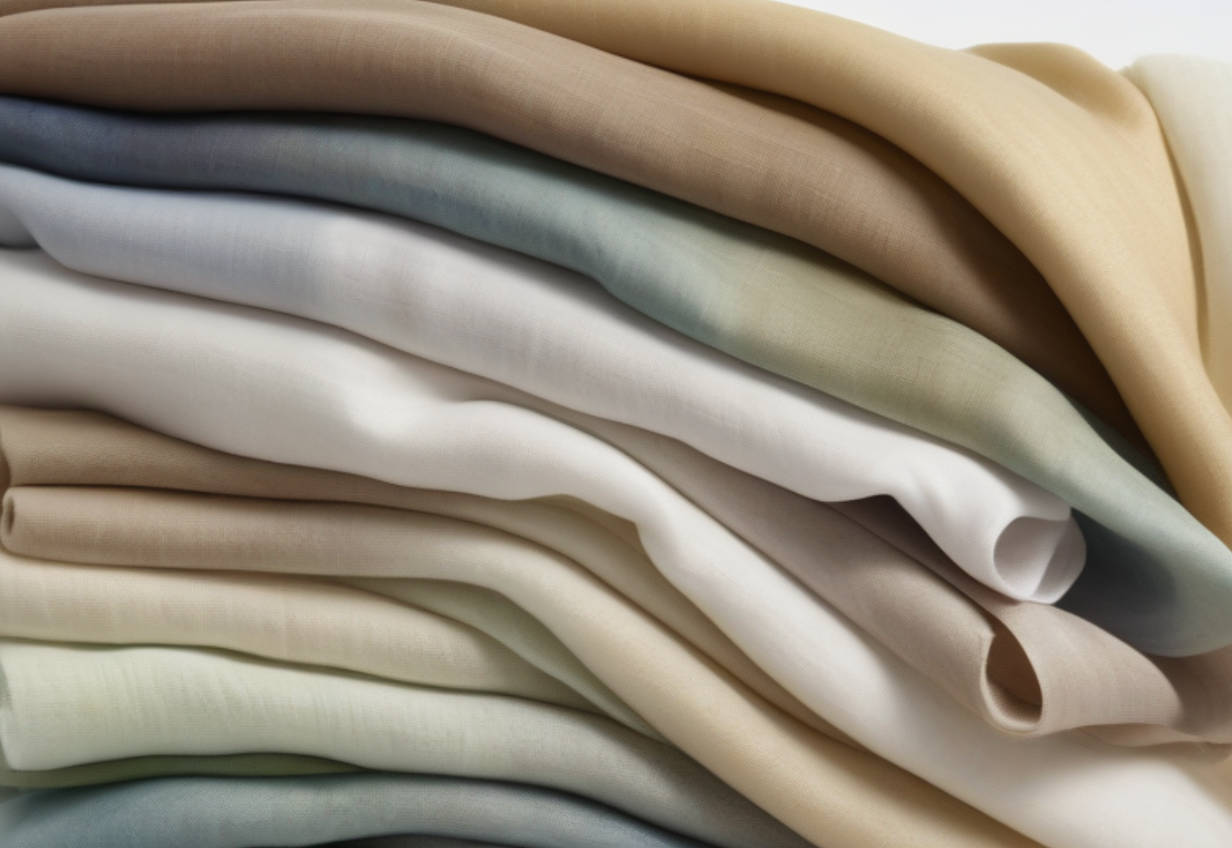
Check out our blog post on the 4 Healthiest Fabrics to Wear and 4 Toxic Fabrics to Avoid.
The Science Behind How Toxins in Sleepwear Affect Men's Health
Sleep is when the body repairs, regenerates, and balances hormones. Wearing toxic fabrics to bed means prolonged exposure to harmful chemicals (right where they can do the most damage). Just because you do not notice these effects right away or even after a couple of years, does not mean they will not affect in the years to come.
Testosterone and Hormonal Disruption
A 2020 meta-analysis in Andrology found that phthalate exposure was consistently associated with lower testosterone levels in men (11). Given that testosterone regulates libido, muscle mass, energy, and mood, this is more than a fertility issue—it’s a quality-of-life issue.
Fertility and Sperm Health
The European Society of Human Reproduction and Embryology (ESHRE) reports that sperm counts have declined by over 50% in the past 50 years, with environmental toxins (including fabric chemicals) playing a significant role (12). Studies show that men with higher exposure to endocrine disruptors have:
- Lower sperm concentration (13).
- Reduced motility (14).
- Higher rates of DNA fragmentation in sperm (15).
Long-Term Health Risks
Beyond fertility and testosterone, toxic sleepwear fabrics have been linked to:
- Increased cancer risk (bladder, prostate, testicular, etc) (16).
- Chronic inflammation (from skin irritation and chemical absorption) (17).
- Weakened immune function (18).
The Solution: Switch to Non-Toxic, Organic Bamboo Sleepwear
Now that we have covered that conventional sleepwear is a health risk, the question begs to be asked: what is the alternative? There are numerous organic, non-toxic options out there, such as organic cotton, linen, silk, etc. However, bamboo fabric stands out from the rest.
Why Bamboo?
1. Naturally Non-Toxic
- No phthalates, formaldehyde, AZO dyes, or heavy metals—our bamboo is OEKO-TEX® Standard 100 certified, ensuring it’s free from 1,000+ harmful substances.
- Hypoallergenic and gentle, making it ideal for sensitive skin, eczema, or allergies.
2. Hormone-safe
- Bamboo fabric is naturally breathable and thermoregulating, reducing the need for chemical finishes (like "wrinkle-free" treatments).
- Absolutely no synthetic softeners or plasticizers.
3. Sustainable and Ethical
- Bamboo grows rapidly without pesticides or synthetic fertilizers, making it one of the most eco-friendly fabrics on Earth.
- Biodegradable and low-impact, unlike polyester, which sheds microplastics with every wash.
4. Luxurious Comfort
- Softer than cotton, smoother than silk. Bamboo’s natural fibers create a cooling, silky-soft feel that’s perfect for sleep.
- Bamboo's thermoregulating power keeps you cool in summer, warm in winter, without synthetic “temperature-control” chemicals.
A great example of a 100% organic, eco-friendly, and non-toxic bamboo brand is Earthly Threads, known for their comfort without compromise.
Check out this step-by-step guide on How to Reduce Toxins in Your Bedroom.
How to Choose Safe Sleepwear for Men

Not every fabric labeled "natural" is the same in quality. Unfortunately, many brands that label themselves as organic, non-toxic, or sustainable may be lying. This is called "greenwashing". Here’s what to look for—and what to avoid—when shopping for men’s sleepwear:
What to Look For:
- 100% Organic Bamboo (or Bamboo Rayon from Bamboo)
- OEKO-TEX® or GOTS Certification: Guarantees no harmful chemicals.
- Undyed or Naturally Dyed Fabrics: Avoid AZO dyes and synthetic pigments.
- Jersey or Sateen Weave: Prioritizes breathability and softness.
- Minimalist Design: Fewer prints and finishes mean fewer chemicals.
What to Avoid:
- Polyester or “Performance” Fabrics: These are plastic-based and off-gas toxins.
- “Wrinkle-Free” or “Easy-Care” Cotton: Likely treated with formaldehyde.
- Brightly Colored or Printed Pajamas: Often contain AZO dyes and phthalates.
- Cheaply Made Imported Sleepwear: May include lead, cadmium, or unregulated chemicals.
Sleep Safe, Live Better
Your sleepwear should be a safe haven, not a danger to your health. Choosing brands with an eco-friendly focus, like Earthly Threads' non-toxic bamboo sleepwear, is a way to not only refresh your attire but also to prioritize the health of your hormones, fertility, and long-term well-being.
Ready to make the switch?
Explore our men’s bamboo pajamas and loungewear—designed for luxury, sustainability, and peace of mind.

References
(1) Meeker, J. D., et al. (2014). “Urinary Phthalate Metabolite Concentrations and Serum Hormones in Men.” Environmental Health Perspectives.
(2) Jurewicz, J., et al. (2016). “Impact of Phthalates on Human Reproduction.” Fertility and Sterility.
(3) WHO/IARC. (2012). “Formaldehyde, Human Carcinogen.”
(4) Nielsen, G. D., et al. (2017). “Formaldehyde Exposure and Health Effects.” Journal of Occupational Medicine and Toxicology.
(5) Zhang, L., et al. (2018). “Testicular Toxicity of Formaldehyde.” Reproductive Toxicology.
(6) Chen, J., et al. (2018). “Nonylphenol Exposure and Male Reproductive Health.” Reproductive Toxicology.
*(7) Meeker, J. D. (2018). “Endocrine Disrupting Chemicals and Male Reproductive Health.” Andrology.
(8) IARC. (2010). “Carcinogenicity of Aromatic Amines from AZO Dyes.”
*(9) Diamanti-Kandarakis, E., et al. (2009). “Endocrine Disruptors and Reproductive Health.” Trends in Endocrinology & Metabolism.
*(10) Telisman, S., et al. (2007). “Reproductive Toxicology of Lead.” Human Reproduction Update.
*(11) Chang, S. Y., et al. (2020). “Phthalates and Testosterone in Men.” Andrology.
*(12) Levine, H., et al. (2017). “Temporal Trends in Sperm Count.” Human Reproduction Update.
*(13) Hauser, R., et al. (2015). “Urinary Concentrations of Phthalate Metabolites and Semen Parameters.” Environmental Health Perspectives.
*(14) Swan, S. H. (2008). “Decline in Sperm Quality.” BMJ.
*(15) Jurewicz, J., et al. (2014). “Environmental Factors and Sperm DNA Fragmentation.” Andrologia.
(16) National Toxicology Program. (2016). “Report on Carcinogens.”
*(17) Kim, Y. S., et al. (2016). “Skin Irritation from Textile Chemicals.” Journal of Toxicology and Environmental Health.
*(18) Wang, X., et al. (2019). “Textile Chemicals and Immune Function.” Environmental Science and Pollution Research.